
Affiliate Disclosure: Tech Talk Pets may earn a commission when you purchase through links on our site, at no additional cost to you. This does not influence our research or recommendations. As an Amazon Associate, Tech Talk Pets earns from qualifying purchases. Learn more.
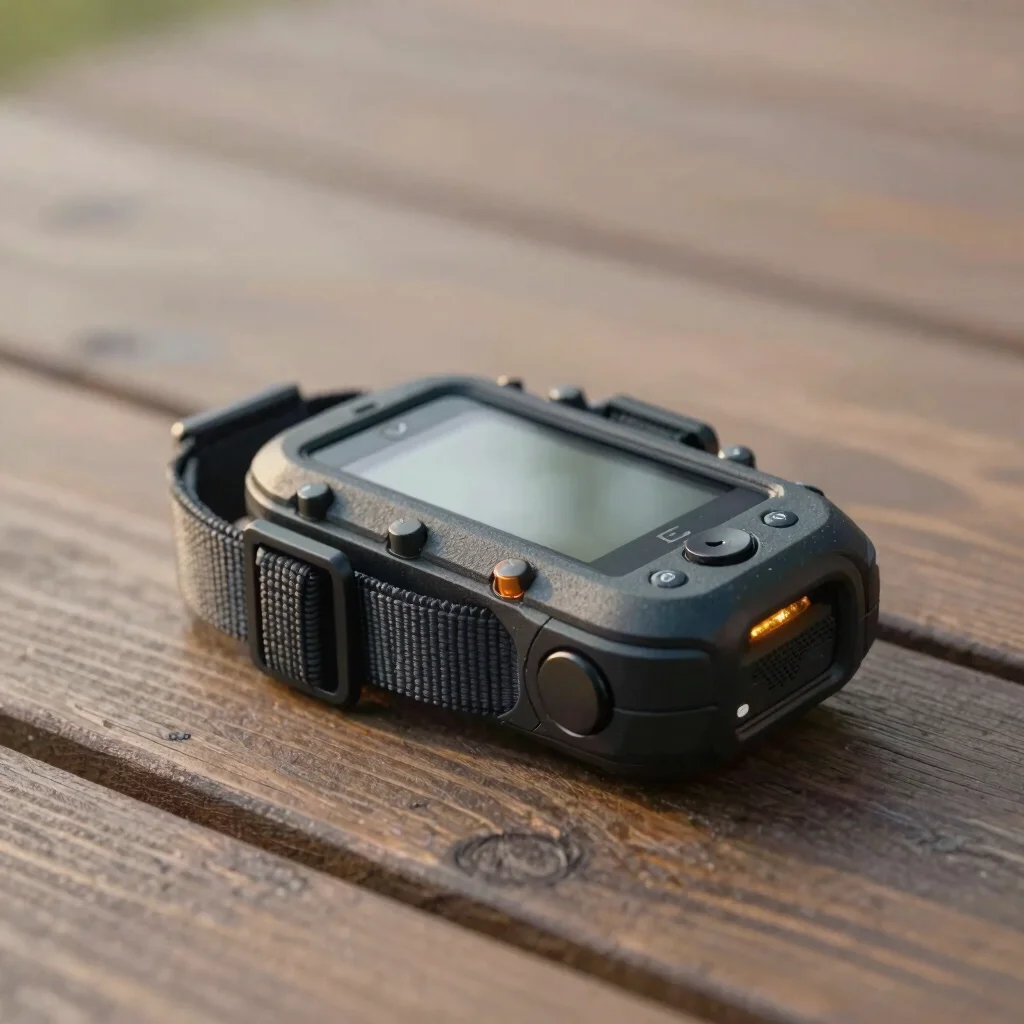
GPS trackers can give dog owners an extra layer of security, but they don’t all work the same way. Coverage, battery life, subscription costs, size, location-update frequency, and escape alerts can vary significantly between devices. This guide explains the features that matter most so you can compare GPS trackers based on your dog’s needs and where you live.
How Dog GPS Trackers Work
Most dog GPS trackers use a combination of GPS satellites and cellular networks to determine your dog’s location and send that information to an app on your phone. Because many trackers rely on cellular service to transmit location data, performance can vary depending on network coverage. Some devices also use Wi-Fi or Bluetooth when your dog is nearby to conserve battery and improve location awareness.
Subscription Costs: What You’re Actually Paying For
Many GPS pet trackers require a monthly or annual subscription because they use cellular networks to transmit location data. When comparing trackers, consider both the upfront device price and the ongoing subscription cost. Also check whether features such as live tracking, location history, escape alerts, and family sharing are included in the standard plan or require a higher-priced subscription.
Battery Life and Location Updates
Battery life can vary considerably depending on how frequently a tracker reports your dog’s location, cellular signal strength, and how often live tracking is used. A longer advertised battery life does not necessarily mean better performance for every owner. Consider how often you’re willing to recharge the device and how quickly you want location updates if your dog gets loose.
Key Features to Compare in a Dog GPS Tracker
Before choosing a tracker, compare the features that affect how useful it will be in everyday life and during an escape. Look at cellular coverage, location-update frequency, live tracking, battery life, device size and weight, water resistance, safe-zone or geofence alerts, and the cost of any required subscription. The best choice depends on your dog, your location, and how you expect to use the tracker.
Many trackers add activity tracking; compare that too if fitness data matters to you.
GPS Trackers vs. Bluetooth Trackers
GPS and Bluetooth trackers serve different purposes. GPS trackers can generally locate a dog over much greater distances by using satellite positioning and cellular connectivity. Bluetooth trackers depend primarily on nearby devices and networks, which can make them useful for finding items or pets within populated areas but less suitable as a dedicated solution for tracking a dog that has traveled far from home.
No-Subscription GPS Trackers: What Really Exists
Searching for a GPS dog tracker with no subscription usually ends the same way: live tracking needs cellular data, and someone has to pay for it. Fi, Tractive, Halo and FitBark GPS all need a plan for remote tracking. Products sold as “no subscription” are usually Bluetooth tags, which rely on nearby phones rather than satellites plus cellular. They make a useful backup, but they aren’t live GPS.
Apple AirTag (2nd Gen)
AirTag has no plan. It sends a Bluetooth signal that nearby Apple devices on the Find My network pick up and report. Updates depend on how many iPhones are around, so they can be slow or missing in rural areas. There are no escape alerts or safe zones, and Apple’s unwanted-tracking alerts may notify people near your dog (Apple Support). It works best for iPhone owners.
Tile Pro
Tile works the same way through Tile’s own phone network. Basic finding is free, with some features behind an optional plan. It suits finding a dog that’s hiding nearby, in the yard or the house. Range is short, and the network is smaller than Apple’s in many areas.
Bottom line on “no subscription”: use a tag as a backup for a dog that rarely strays. For an escape artist, pay for a real GPS plan: live tracking matters most in the first few minutes. Before you compare, add up the plan cost over two years and check the minimum commitment. Keep an ID tag and microchip either way.
Choosing the Right Tracker for Your Dog
Start with your dog’s size and typical environment. A small dog may need a lightweight device, while owners of dogs that hike, swim, or spend significant time outdoors may prioritize durability, water resistance, battery life, and cellular coverage. If your dog is prone to escaping, also pay close attention to how quickly the tracker can alert you and switch into live-location tracking.
Tech Talk Pets evaluates pet technology using manufacturer documentation, product specifications, pricing information, and other reliable published sources. As we expand our coverage, we’ll compare individual GPS trackers in greater detail to help owners understand the differences between available options.
Popular Dog GPS Trackers Compared
Dog GPS products vary significantly in how they work. Some focus primarily on location tracking, while others combine tracking with virtual fencing, activity monitoring, or other smart features. The options below illustrate some of the key differences to consider.
Fi GPS Smart Collar
Fi is a smart collar designed around GPS location tracking, escape alerts, activity monitoring, and everyday wear. Its collar-based design eliminates the need to attach a separate tracker to an existing collar. Some connected features require a membership plan.
Tractive DOG 6
Tractive DOG 6 is a dedicated GPS tracker that attaches to an existing collar. It focuses on live location tracking, escape alerts, activity and sleep monitoring, and health-related insights. A subscription is required for GPS and cellular connectivity.
Halo Collar
Halo combines GPS location tracking with customizable virtual fences, making it an option for owners who want both tracking and boundary features in one collar. A Halo membership is required for GPS, cellular connectivity, and virtual fencing features.
SpotOn GPS Fence
SpotOn is primarily a GPS-based virtual fencing system rather than a basic location tracker. Its core fencing features can be used without a subscription, while an optional cellular plan adds features such as real-time tracking and escape notifications.
FitBark GPS (2nd Gen)
FitBark GPS (2nd Gen) is a compact GPS tracker. FitBark lists it at 16 g, with 4G LTE-M cellular plus Wi-Fi and Bluetooth, a waterproof design, a 2-year warranty and US multi-network coverage. It is made for both dogs and cats. A subscription is required, and longer plans cost less per month. FitBark offers a 30-day risk-free trial.
Quick Comparison
- Fi: Best suited to owners looking for an everyday smart collar with GPS tracking and escape alerts.
- Tractive: Focused primarily on dedicated location tracking, with activity and health-monitoring features.
- Halo: Combines GPS tracking with virtual fencing in one collar.
- SpotOn: Focused primarily on premium GPS-based virtual fencing, with optional connected tracking features.
- FitBark GPS (2nd Gen): A very light (16 g) GPS tracker for owners of small dogs or cats who want GPS tracking, with a required subscription.
The right choice depends on what you need the device to do. Owners primarily concerned with locating a dog may prefer a dedicated tracking device, while those looking for boundary control may want a virtual-fence system. Consider subscription costs, cellular coverage, battery life, dog size, and whether fencing or health-monitoring features are important to you.