
Affiliate Disclosure: Tech Talk Pets may earn a commission when you purchase through links on our site, at no additional cost to you. This does not influence our research or recommendations. As an Amazon Associate, Tech Talk Pets earns from qualifying purchases. Learn more.
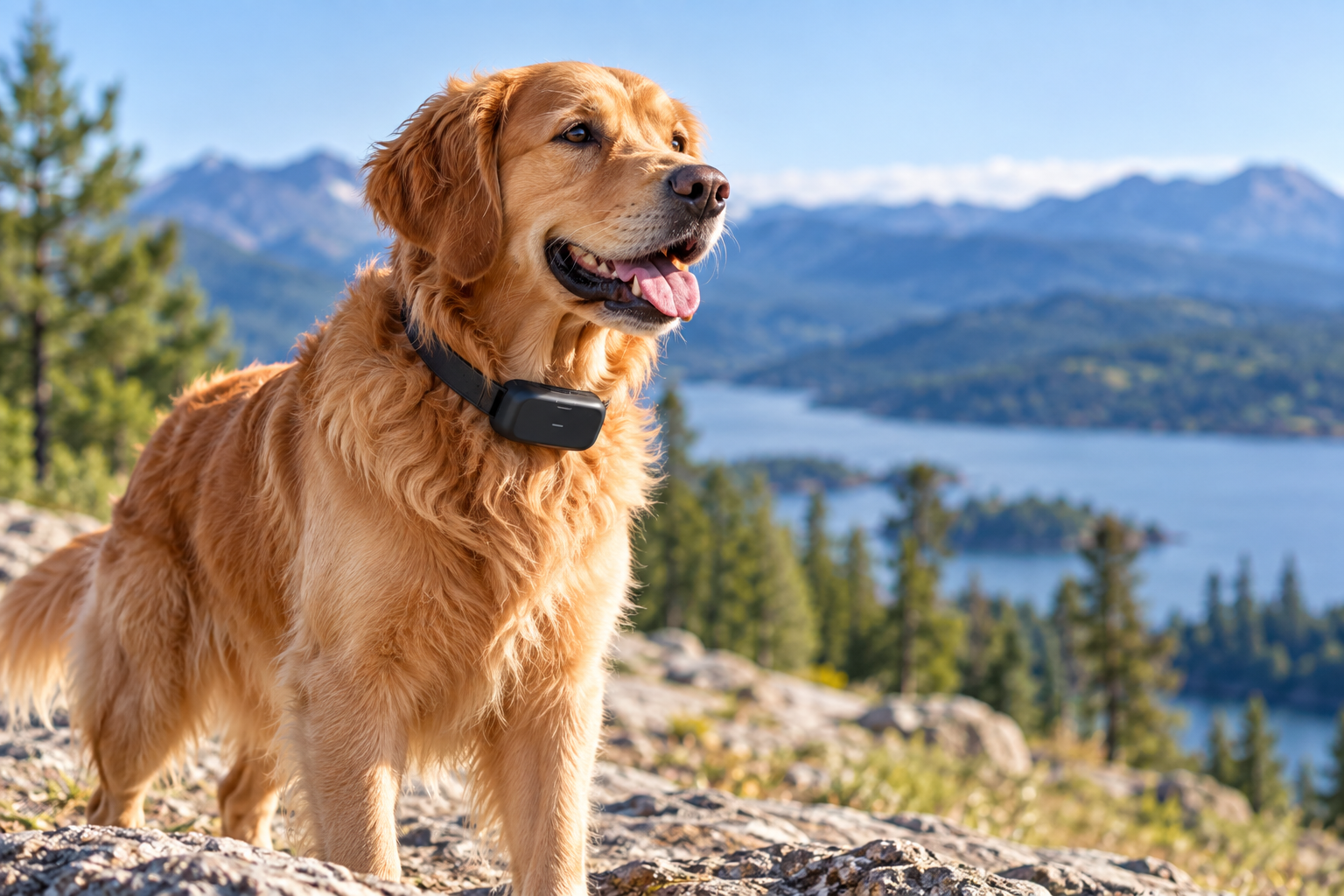
GPS technology is used in several types of pet devices, but a GPS dog tracker and a GPS fence are designed to solve different problems.
A GPS tracker is primarily designed to help you locate and monitor your dog. A GPS fence, sometimes called a virtual fence or wireless GPS fence, is designed to create boundaries without installing a physical fence. Some products combine elements of both, which can make the differences confusing when you’re comparing devices.
Here’s how the two technologies differ—and what to consider before deciding which type makes sense for your dog.
What Is a GPS Dog Tracker?
A GPS dog tracker is primarily designed to help you determine your dog’s location.
The device is typically attached to a collar and communicates location information to an app on your phone. Depending on the product, additional features may include location history, escape alerts, activity monitoring, sleep tracking, or health-related insights.
Many GPS trackers rely on cellular networks to transmit location information, which is one reason subscription fees are common.
The key distinction is that a GPS tracker is generally designed to tell you where your dog is—not physically prevent your dog from leaving an area.
What Is a GPS Dog Fence?
A GPS dog fence is designed to create a virtual boundary without burying wire or installing a traditional physical fence. Instead of simply reporting a dog’s location, compatible collars use GPS-based location information to determine when the dog approaches or crosses a programmed boundary.
Depending on the system and settings, the collar may provide warning cues or corrections intended to discourage the dog from continuing beyond that boundary.
Because these systems depend on training and electronic cues rather than a physical barrier, owners should carefully review how a particular system works and whether it is appropriate for their dog and property.
GPS Tracker vs. GPS Fence: The Main Difference
The easiest way to understand the difference is to look at the primary purpose of each device.
GPS tracker: Helps you locate and monitor your dog.
GPS fence: Helps establish virtual boundaries for where your dog is intended to remain.
A tracker is primarily a location tool. A GPS fence is primarily a boundary system.
However, the categories aren’t completely separate. Some GPS fence systems also provide location tracking, while some tracking products offer virtual-zone alerts that notify you when a dog leaves a designated area.
That makes it important to look beyond product names and determine what the device actually does.
What Is a “Safe Zone” on a GPS Tracker?
This is one area where GPS trackers and GPS fences can sound very similar.
Some GPS trackers allow you to create a virtual area around your home or another location. If your dog leaves that area, the app can send an alert.
That doesn’t necessarily make the device a GPS fence.
A safe-zone alert tells you that your dog crossed a boundary. A GPS fence system is designed to communicate with the dog through the collar when the dog approaches or crosses the programmed boundary.
That distinction matters when comparing products.
Do GPS Fences Physically Keep a Dog Contained?
No virtual fence creates a physical barrier.
A traditional fence physically blocks a dog from leaving an area. A GPS fence relies on the dog’s response to the system’s cues and the training associated with them. That means owners should not assume a virtual boundary provides the same type of containment as a physical fence.
Individual dogs, property layouts, nearby roads, wildlife, distractions, GPS accuracy, and other factors can all affect whether this type of system is appropriate for a particular situation.
What Happens If Your Dog Leaves the Boundary?
This depends on the product.
With a traditional GPS tracker, leaving a designated safe zone may trigger an alert on your phone so you can begin locating your dog.
GPS fence systems may respond differently depending on their design and settings. Some systems also include tracking capabilities that can help locate a dog after it leaves the designated area.
Before purchasing either type of device, check exactly what happens when a boundary is crossed rather than assuming all GPS-based products respond the same way.
Do GPS Trackers and GPS Fences Require Subscriptions?
Many do, but subscription requirements vary by manufacturer and device.
GPS trackers that communicate through cellular networks often charge a recurring fee for connectivity and related services.
GPS fence systems may also require subscriptions for certain connectivity, tracking, or app-based features, while others may include different service arrangements.
When comparing products, look beyond the initial hardware price and check:
- Monthly or annual subscription costs
- Which features require an active subscription
- Cellular or coverage requirements
- Whether tracking continues if a subscription expires
- Available subscription terms
- Total cost over several years
A lower purchase price doesn’t necessarily mean a lower long-term cost.
Which Type Makes More Sense for Your Dog?
A GPS tracker may make more sense if your primary concern is knowing where your dog is and receiving an alert if your dog leaves a designated area.
A GPS fence may be worth considering if you’re specifically looking for a virtual boundary system and understand the training and limitations involved.
Some owners may want both capabilities, in which case a product that combines boundary features with location tracking may be worth comparing.
Before choosing, consider your dog’s behavior, your property, nearby hazards, cellular coverage, battery life, subscription costs, and what you actually expect the device to accomplish.
Popular GPS Trackers and Fences
- Tractive DOG 6
Best for: A GPS tracker that clips to your existing collar, with live tracking and virtual-fence alerts. A subscription is required.
View at Amazon - Halo Collar 5
Best for: A GPS collar built around customizable virtual fences. A Halo membership is required for GPS and fences.
View at Amazon - FitBark GPS (2nd Gen)
Best for: A very light (16 g, per FitBark) GPS + LTE-M tracker for small dogs and cats. A subscription is required.
View at FitBark
Features Worth Comparing
Regardless of which category you’re considering, compare the details rather than relying solely on the words “GPS tracker” or “GPS fence.”
Important factors can include:
Location-update frequency
Cellular coverage requirements
Collar size and weight
Water resistance
Boundary or safe-zone capabilities
Escape notifications
App features
Subscription requirements
Multi-dog support
Warranty and return policy
For GPS fences specifically, also examine the manufacturer’s training process, minimum property requirements, boundary customization, and how the collar responds when a dog approaches or crosses a boundary.
Also check how the app stores location history and who can see it.
The Bottom Line
GPS dog trackers and GPS fences use some of the same underlying technology, but they’re designed for different purposes.
A GPS tracker primarily helps you find and monitor your dog. A GPS fence primarily helps you establish a virtual boundary.
The distinction becomes less obvious as manufacturers add safe zones, escape alerts, location tracking, and boundary features to the same devices.
Instead of choosing based on the product category alone, determine exactly what you need the technology to do—and then compare the hardware, ongoing costs, coverage requirements, training requirements, and limitations of the products that provide those capabilities.